Worcester Cold Storage and Warehouse fire: Lessons and a legend emerge from tragedy
Summarizing the lessons learned from two investigations
December 1st, 2024
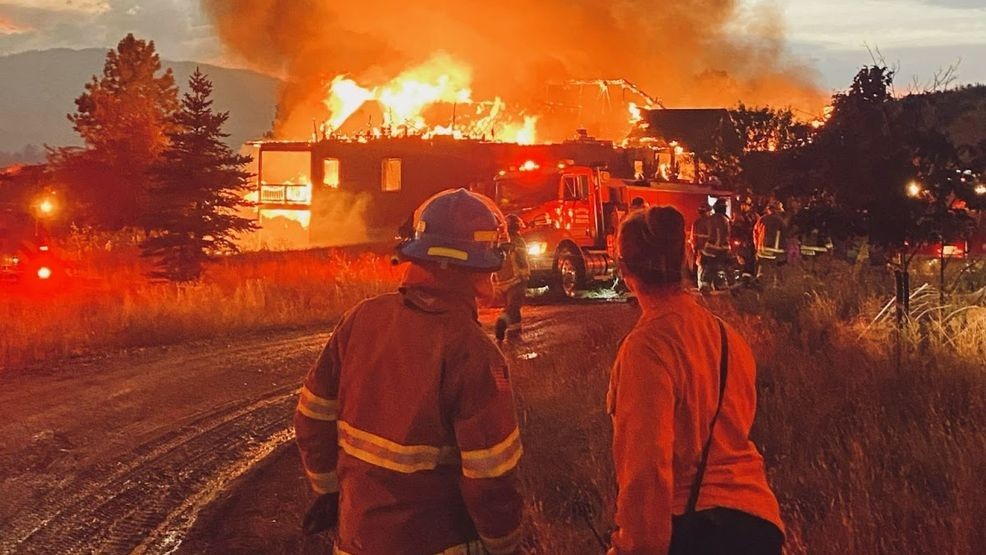
At 6:13 p.m. on Friday, Dec. 3, 1999, the Worcester (Massachusetts) Fire Department was dispatched to a reported fire at 266 Franklin St., the Worcester Cold Storage and Warehouse Company Building. At 7:26 p.m., a fifth alarm was transmitted, and by 7:58 p.m., the building was ordered evacuated, and six firefighters were missing.
The Worcester Cold Storage fire would continue for eight more days, declared out at 10:27 p.m. on Dec. 11, after the last of the six fallen firefighters was found and removed from the building.
About the Worcester Fire department
 At the time of the fire, the City of Worcester was Massachusetts’ second-largest city with a population of approximately 170,000.
Stretching approximately 40 square miles, Worcester is an old New England industrial city complete with all the urban issues of a Rust Belt community.
The city is divided into a north and south district, each with a district (battalion) chief. There is a deputy chief that serves as the city-wide tour commander. The daily staffing can vary between 75 and 105 firefighters on duty, with a minimum staffing of 75.
In 1999, the fire department consisted of 469 personnel (authorized strength 485), operating 15 engine companies, seven ladder companies and one rescue company out of 12 stations.
About the Worcester Cold Storage and Warehouse buildings
The Worcester Cold Storage and Warehouse consisted of two buildings. The first was built in 1906 and the second in 1912.
Openings existed on each floor to allow access to both buildings. The buildings were six stories, with the top four floors constructed of heavy timber. Floors one and two were concrete floors on cast-iron columns.
The interior finish of the building was asphalt-impregnated cork with additional layers of polyurethane, Styrofoam and polystyrene between 6 and 18 inches thick over 18-inch-thick brick walls.
There was only one stairwell that accessed the entire building. It ran from the basement to the roof. There was also an elevator shaft that traveled from the basement to the sixth floor.
There was no building code in effect at the time the building was constructed, and no records of renovations or other modifications to the property.
The fire response
On the afternoon of Dec. 3, 1999, two homeless persons seeking shelter from the cold were in an office on the second floor of the Worcester Cold Storage and Warehouse building. A candle fell into a pile of clothes, igniting the fire. The two were unsuccessful in extinguishing the fire and left the building, never notifying the police or fire department.
The Worcester Cold Storage and Warehouse fire is believed to have started sometime between 4:30 and 5:45 p.m. The fire department would not be dispatched until 6:13 p.m., potentially two hours after the fire started.
The first alarm brought four engines, two ladders, the rescue company, and the North District chief.
En route, the responding district chief, Michael McNamee, transmitted a second alarm as he arrived on the scene. This brought two additional engine companies, a ladder company, and the on-duty deputy chief. The third and fourth alarms each provided two engine companies and one ladder company. The chief of department responded on the third alarm. The fifth alarm brought two more engine companies and the South District chief.
Multiple 2½-inch handlines were stretched on multiple floors to attack the fire. The radio log indicates that all the lines were facing extreme heat and smoke, and firefighters had difficulty making headway against the fire. The thermal imaging camera provided by a mutual-aid department experienced a white-out from thermal overload.
At 6:46 p.m., Rescue transmitted a mayday, stating that they were lost and running out of air. Two more teams searching for Rescue were lost without any mayday being transmitted.
At 7:58 p.m., with crews eager to enter the structure to look for their fallen brothers, District Chief McNamee physically blocked the doorway and ordered the building evacuated. As described in “3000 Degrees: The True Story of a Deadly Fire and the Men Who Fought It,” McNamee knew that allowing more members into the building meant only more deaths – and Worcester wasn’t going to lose any more firefighters. With this act, Chief McNamee became something of a legend – the epitome of safety-focused command decision-making – and years later, a national award of valor was named after him, redefining the meaning of bravery.
The firefighters killed at the Worcester Cold Storage and Warehouse fire became known as the Worcester 6: Lt. Thomas Spencer, Firefighter Paul Brotherton, Lt. Timothy Jackson, Firefighter Jeremiah Lucey, Lt. James Lyons and Firefighter Joseph McGuirk.
Investigations in the aftermath of tragedy
After the fire, the federal government published two reports:
NIOSH Fire Fighter Fatality report: Six Career Fire Fighters Killed in Cold-Storage and Warehouse Building Fire – Massachusetts – the report was one of the earliest reports completed after Congress funded the Firefighter Fatality program in 1998.
U.S. Fire Administration/Technical Report Series: Abandoned Cold Storage Warehouse Multi-Firefighter Fatality Fire – the report examined the incident for lessons learned to shared with the fire service.
At the time of the fire, the City of Worcester was Massachusetts’ second-largest city with a population of approximately 170,000.
Stretching approximately 40 square miles, Worcester is an old New England industrial city complete with all the urban issues of a Rust Belt community.
The city is divided into a north and south district, each with a district (battalion) chief. There is a deputy chief that serves as the city-wide tour commander. The daily staffing can vary between 75 and 105 firefighters on duty, with a minimum staffing of 75.
In 1999, the fire department consisted of 469 personnel (authorized strength 485), operating 15 engine companies, seven ladder companies and one rescue company out of 12 stations.
About the Worcester Cold Storage and Warehouse buildings
The Worcester Cold Storage and Warehouse consisted of two buildings. The first was built in 1906 and the second in 1912.
Openings existed on each floor to allow access to both buildings. The buildings were six stories, with the top four floors constructed of heavy timber. Floors one and two were concrete floors on cast-iron columns.
The interior finish of the building was asphalt-impregnated cork with additional layers of polyurethane, Styrofoam and polystyrene between 6 and 18 inches thick over 18-inch-thick brick walls.
There was only one stairwell that accessed the entire building. It ran from the basement to the roof. There was also an elevator shaft that traveled from the basement to the sixth floor.
There was no building code in effect at the time the building was constructed, and no records of renovations or other modifications to the property.
The fire response
On the afternoon of Dec. 3, 1999, two homeless persons seeking shelter from the cold were in an office on the second floor of the Worcester Cold Storage and Warehouse building. A candle fell into a pile of clothes, igniting the fire. The two were unsuccessful in extinguishing the fire and left the building, never notifying the police or fire department.
The Worcester Cold Storage and Warehouse fire is believed to have started sometime between 4:30 and 5:45 p.m. The fire department would not be dispatched until 6:13 p.m., potentially two hours after the fire started.
The first alarm brought four engines, two ladders, the rescue company, and the North District chief.
En route, the responding district chief, Michael McNamee, transmitted a second alarm as he arrived on the scene. This brought two additional engine companies, a ladder company, and the on-duty deputy chief. The third and fourth alarms each provided two engine companies and one ladder company. The chief of department responded on the third alarm. The fifth alarm brought two more engine companies and the South District chief.
Multiple 2½-inch handlines were stretched on multiple floors to attack the fire. The radio log indicates that all the lines were facing extreme heat and smoke, and firefighters had difficulty making headway against the fire. The thermal imaging camera provided by a mutual-aid department experienced a white-out from thermal overload.
At 6:46 p.m., Rescue transmitted a mayday, stating that they were lost and running out of air. Two more teams searching for Rescue were lost without any mayday being transmitted.
At 7:58 p.m., with crews eager to enter the structure to look for their fallen brothers, District Chief McNamee physically blocked the doorway and ordered the building evacuated. As described in “3000 Degrees: The True Story of a Deadly Fire and the Men Who Fought It,” McNamee knew that allowing more members into the building meant only more deaths – and Worcester wasn’t going to lose any more firefighters. With this act, Chief McNamee became something of a legend – the epitome of safety-focused command decision-making – and years later, a national award of valor was named after him, redefining the meaning of bravery.
The firefighters killed at the Worcester Cold Storage and Warehouse fire became known as the Worcester 6: Lt. Thomas Spencer, Firefighter Paul Brotherton, Lt. Timothy Jackson, Firefighter Jeremiah Lucey, Lt. James Lyons and Firefighter Joseph McGuirk.
Investigations in the aftermath of tragedy
After the fire, the federal government published two reports:
NIOSH Fire Fighter Fatality report: Six Career Fire Fighters Killed in Cold-Storage and Warehouse Building Fire – Massachusetts – the report was one of the earliest reports completed after Congress funded the Firefighter Fatality program in 1998.
U.S. Fire Administration/Technical Report Series: Abandoned Cold Storage Warehouse Multi-Firefighter Fatality Fire – the report examined the incident for lessons learned to shared with the fire service.
At the time of the fire, the City of Worcester was Massachusetts’ second-largest city with a population of approximately 170,000.
Stretching approximately 40 square miles, Worcester is an old New England industrial city complete with all the urban issues of a Rust Belt community.
The city is divided into a north and south district, each with a district (battalion) chief. There is a deputy chief that serves as the city-wide tour commander. The daily staffing can vary between 75 and 105 firefighters on duty, with a minimum staffing of 75.
In 1999, the fire department consisted of 469 personnel (authorized strength 485), operating 15 engine companies, seven ladder companies and one rescue company out of 12 stations.
About the Worcester Cold Storage and Warehouse buildings
The Worcester Cold Storage and Warehouse consisted of two buildings. The first was built in 1906 and the second in 1912.
Openings existed on each floor to allow access to both buildings. The buildings were six stories, with the top four floors constructed of heavy timber. Floors one and two were concrete floors on cast-iron columns.
The interior finish of the building was asphalt-impregnated cork with additional layers of polyurethane, Styrofoam and polystyrene between 6 and 18 inches thick over 18-inch-thick brick walls.
There was only one stairwell that accessed the entire building. It ran from the basement to the roof. There was also an elevator shaft that traveled from the basement to the sixth floor.
There was no building code in effect at the time the building was constructed, and no records of renovations or other modifications to the property.
The fire response
On the afternoon of Dec. 3, 1999, two homeless persons seeking shelter from the cold were in an office on the second floor of the Worcester Cold Storage and Warehouse building. A candle fell into a pile of clothes, igniting the fire. The two were unsuccessful in extinguishing the fire and left the building, never notifying the police or fire department.
The Worcester Cold Storage and Warehouse fire is believed to have started sometime between 4:30 and 5:45 p.m. The fire department would not be dispatched until 6:13 p.m., potentially two hours after the fire started.
The first alarm brought four engines, two ladders, the rescue company, and the North District chief.
En route, the responding district chief, Michael McNamee, transmitted a second alarm as he arrived on the scene. This brought two additional engine companies, a ladder company, and the on-duty deputy chief. The third and fourth alarms each provided two engine companies and one ladder company. The chief of department responded on the third alarm. The fifth alarm brought two more engine companies and the South District chief.
Multiple 2½-inch handlines were stretched on multiple floors to attack the fire. The radio log indicates that all the lines were facing extreme heat and smoke, and firefighters had difficulty making headway against the fire. The thermal imaging camera provided by a mutual-aid department experienced a white-out from thermal overload.
At 6:46 p.m., Rescue transmitted a mayday, stating that they were lost and running out of air. Two more teams searching for Rescue were lost without any mayday being transmitted.
At 7:58 p.m., with crews eager to enter the structure to look for their fallen brothers, District Chief McNamee physically blocked the doorway and ordered the building evacuated. As described in “3000 Degrees: The True Story of a Deadly Fire and the Men Who Fought It,” McNamee knew that allowing more members into the building meant only more deaths – and Worcester wasn’t going to lose any more firefighters. With this act, Chief McNamee became something of a legend – the epitome of safety-focused command decision-making – and years later, a national award of valor was named after him, redefining the meaning of bravery.
The firefighters killed at the Worcester Cold Storage and Warehouse fire became known as the Worcester 6: Lt. Thomas Spencer, Firefighter Paul Brotherton, Lt. Timothy Jackson, Firefighter Jeremiah Lucey, Lt. James Lyons and Firefighter Joseph McGuirk.
Investigations in the aftermath of tragedy
After the fire, the federal government published two reports:
NIOSH Fire Fighter Fatality report: Six Career Fire Fighters Killed in Cold-Storage and Warehouse Building Fire – Massachusetts – the report was one of the earliest reports completed after Congress funded the Firefighter Fatality program in 1998.
U.S. Fire Administration/Technical Report Series: Abandoned Cold Storage Warehouse Multi-Firefighter Fatality Fire – the report examined the incident for lessons learned to shared with the fire service.